You know the feeling. You’re at a crowded concert or a packed conference, trying to pull up a ticket on your phone… and suddenly there’s no signal. The screen won’t load, the line behind you is growing, and what should be a simple moment turns into frustration.
That’s exactly why event badges still matter.
From large festivals and corporate events to community gatherings, physical event badges make the experience faster, easier, and more reliable. They don’t depend on battery life, cell service, or apps. They just work. And when you’re managing thousands of attendees, that reliability makes all the difference.
What Is an Event Badge?
An event badge is a physical credential used to identify attendees and manage access throughout an event. While they may seem simple, they are one of the most important tools in creating a smooth, organized, and secure experience.
Today’s event badges go beyond basic name tags. They support everything from entry and access control to networking and engagement, all while staying easy to use in real-world environments.
Common types of event badges include:
- Name badges for conferences and corporate events
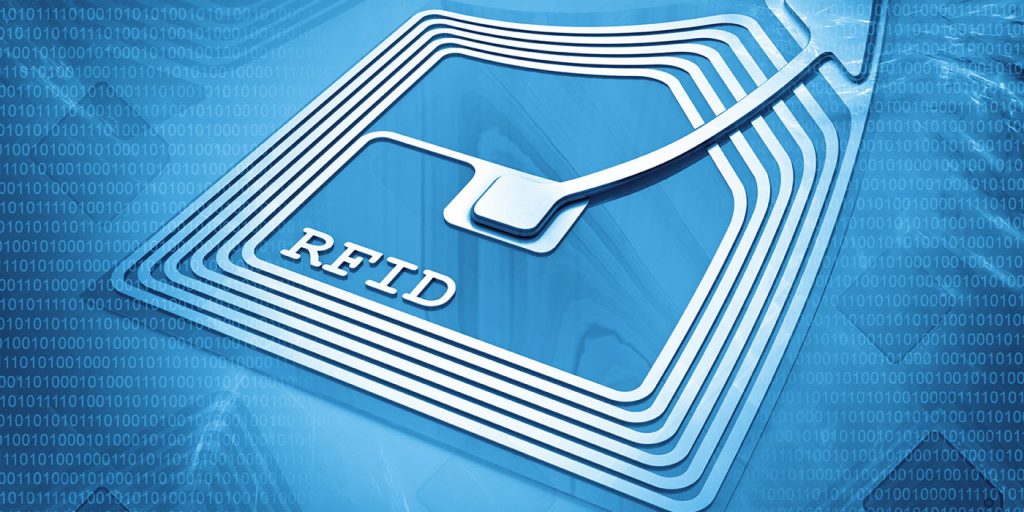
- RFID badges for fast, contactless access
- VIP and access-level badges for controlled areas
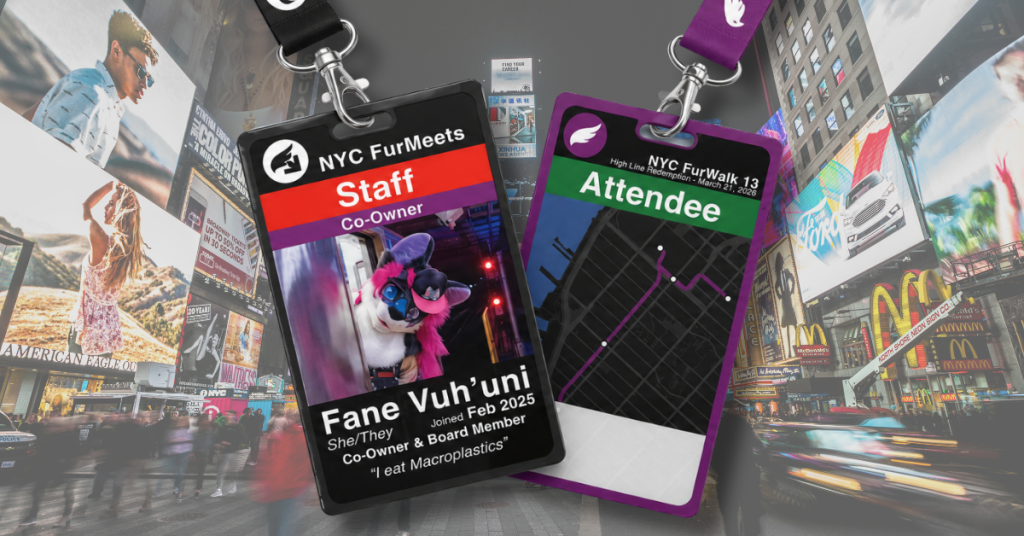
- Custom event badges designed for branding and visibility
But badges aren’t just functional, they’re also part of the experience.
People like wearing them. They make events feel official, help attendees feel included, and often become keepsakes long after the event is over. Think about concerts, festivals, or even large conferences. People hold onto badges because they represent where they were and what they were part of.
Badges also play a key role in safety and awareness. At a glance, staff and attendees can quickly recognize who belongs in certain areas, who might need assistance, and who shouldn’t be somewhere they’re not supposed to be. That visibility helps events stay organized while also making them feel more secure.
Whether it’s a professional setting or a high-energy event, badges don’t just keep things moving, they help people feel connected, recognized, and part of something.
How Event Badges Work
Event badges link each attendee to their identity and access permissions in a way that’s fast, simple, and easy to use in real-world settings.
Instead of relying on a phone, attendees simply wear their badge. At check-in, it’s scanned or tapped. From there, it becomes a visible and functional part of the experience, helping staff instantly recognize access levels and attendees move freely.
In practice, event badges:
- Enable fast, reliable check-in
- Provide clear visual identification
- Control access without slowing things down
- Support smooth movement throughout the event
There’s no app to open, no screen to load, and no delay. It’s simple, and that’s exactly why it works.
Why Physical Badges Are Better Than Digital-Only Solutions
Digital tickers and mobile apps sound convenient, until real-world conditions get in the way.
At live events, attendees deal with:
- Poor or overloaded cell service
- Dead phone batteries
- Glare on screens in bright environments
- Constant switching between apps and tickets
Physical badges eliminate all of that. They are always on, always visible, and always ready to use.
They improve the experience by:
- Removing dependence on phones and connectivity
- Speeding up entry and reducing long lines
- Making access levels instantly recognizable
- Keeping attendees present instead of distracted
When everything is happening in real time, the last thing people want is to troubleshoot their phone. Physical badges keep the focus where it belongs, on the event.
RFID Event Badges: Fast, Seamless, and Still Physical
RFID event badges take everything that works about physical badges and quietly add the speed and intelligence of digital systems, without putting a screen in your hand.
They look and feel like standard badges, something you wear, hold, and don’t have to think about. But inside, they contain a small chip that allows them to communicate with readers instantly. That means instead of scanning a code or pulling up an app, attendees simply tap their badge or walk near a reader and it just works.
In other words, it’s still a physical badge, but it behaves like a smarter, faster version of one.
This allows attendees to move naturally through an event while the technology works in the background. There’s no stopping to load a ticket, no searching through emails, and no relying on cell service.
RFID badges enhance the experience by:
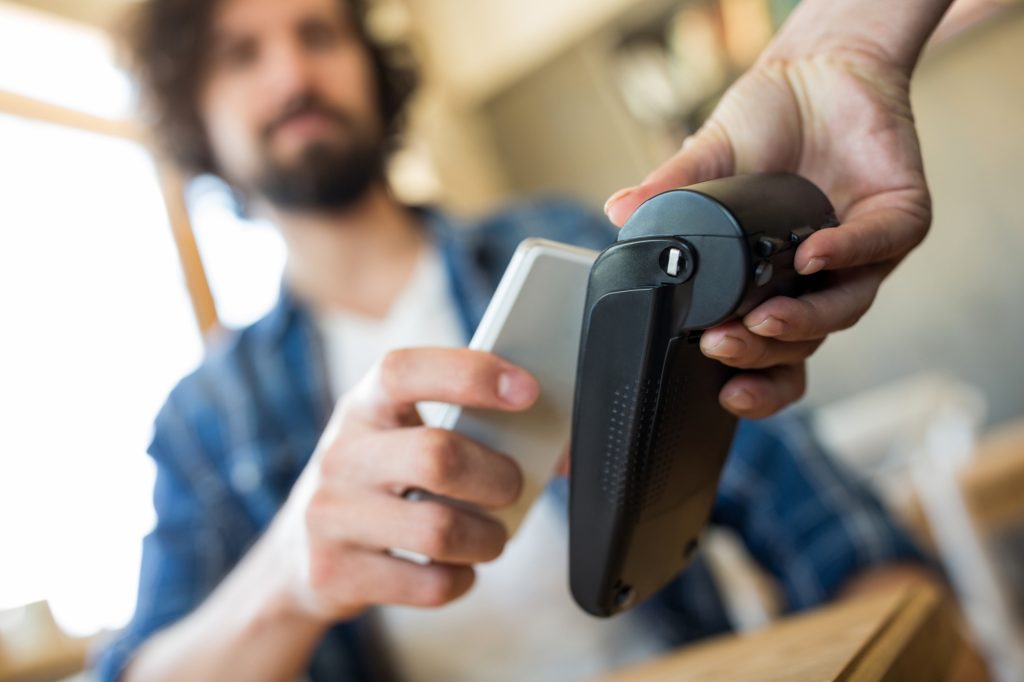
- Enabling instant, contactless check-in with a simple tap
- Reducing congestion at entry and access points
- Allowing smoother movement between rooms or restricted areas
- Keeping interactions quick, simple, and uninterrupted
The key advantage is that RFID doesn’t replace the physical badge, it strengthens it. Attendees still have something tangible, but the experience becomes faster and more seamless behind the scenes.
Event Badges Across Different Events
No matter the type of event, badges play a central role in making the experience work. From large festivals and concerts to corporate conferences and smaller community gatherings, physical badges help create structure while keeping things easy and intuitive for attendees.
At high-volume events like festivals, badges help manage large crowds quickly and efficiently. In corporate and work settings, they make networking smoother and more professional by clearly identifying each person. At smaller gatherings, they help people recognize one another and feel more comfortable interacting.
But not all badges deliver the same experience. The quality, design, and technology behind a badge can directly impact how smooth and successful an event feels.
A well-designed event badge should:
- Be easy to read and recognize at a glance
- Work quickly and reliably every time
- Clearly communicate access levels
- Support both function and branding
- Hold up throughout the entire event
Whether it’s a standard printed badge or an RFID-enabled solution, the goal is the same: to make the event easier, more efficient, and more enjoyable for everyone involved.
Why It All Comes Back to the Badge
Event badges are one of the simplest tools in event planning, but they have one of the biggest impacts. They keep lines moving, make interactions easier, and remove the everyday frustrations that come with relying on digital-only systems.
When done right, they disappear into the experience. Attendees don’t think about them, they just move, connect, and enjoy the event.
As we move into the summer months and some of the biggest events of the year begin to ramp up, from music festivals and amusement parks to Pride celebrations, Juneteenth events, and Fourth of July gatherings, the need for smooth, reliable event experiences becomes even more important. High attendance, fast-paced environments, and outdoor conditions all make physical badges a simple but powerful solution.
In an environment where speed, reliability, and experience matter, that’s exactly what you want.