Something interesting is happening in libraries right now.
You walk in, grab your books, check out in seconds, and leave thinking…that was easy.
And that’s exactly the point. You notice that it’s faster. You notice that there’s no line. You notice that everything just…works. What you don’t always see is why.
No big announcements. No flashy upgrades. Just a smoother, faster experience that feels like it’s always been that way.
Behind the scenes, libraries are getting smarter about how they operate. They’re finding ways to streamline daily tasks, reduce friction for both staff and patrons, and create more efficient workflows without changing what makes libraries feel familiar.
And at the center of that shift is RFID.
So, What Is RFID, Really?
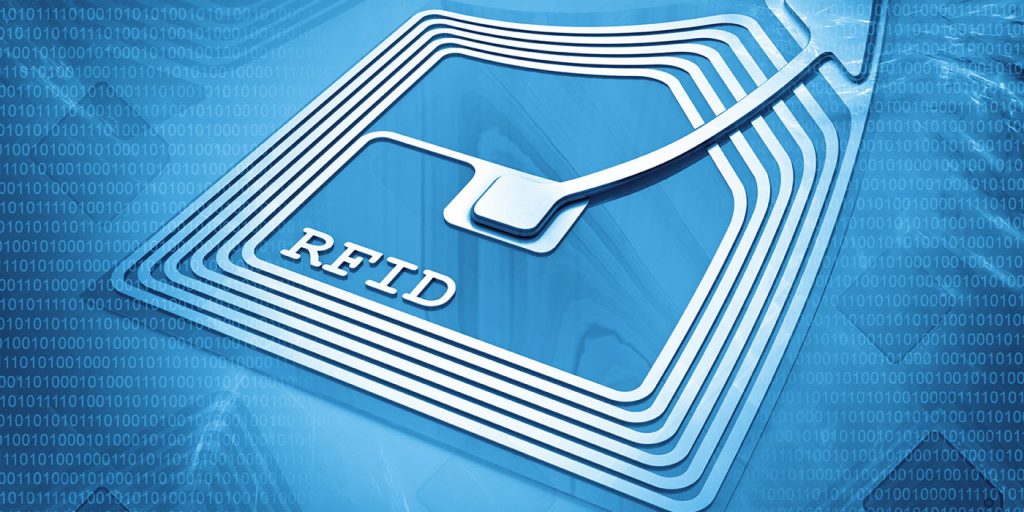
RFID stands for Radio Frequency Identification, but it’s much simpler than it sounds.
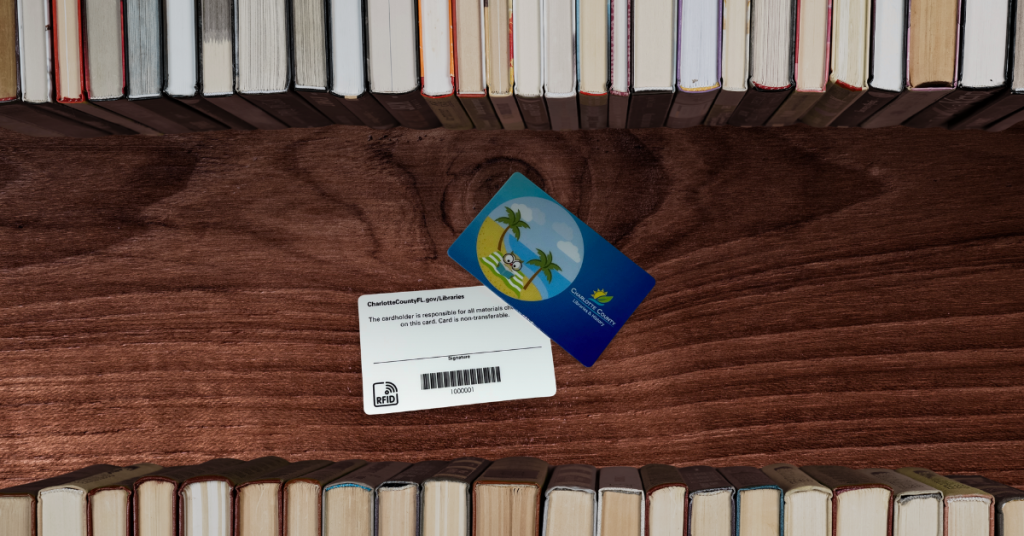
At its core, it’s a way for libraries to identify and track materials without needing to scan each item individually. Every book has a small RFID tag tucked inside, usually in the back cover, with a tiny chip and antenna. Library cards can have the same technology.
Instead of lining up a barcode perfectly under a scanner, RFID allows multiple items to be read at once. The system recognizes the books and the patron instantly, no extra steps required.
It’s quiet. It’s fast. And it works in the background without interrupting the experience.
If you’re curious to learn more about how RFID actually works (without the tech overwhelm), you can read our RFID for Beginners blog.
Where Is RFID Hiding in Libraries?
Here’s the part most people don’t realize. RFID isn’t just one piece of equipment sitting at checkout. It’s built into multiple parts of how a library runs.
It starts in processing. When new books arrive, they’re tagged with RFID tags so they can be tracked from the moment they enter the system. At Charlotte County Libraries, this happens during their technical processing workflow, meaning every new book or DVD is RFID-ready before it ever hits the shelf.
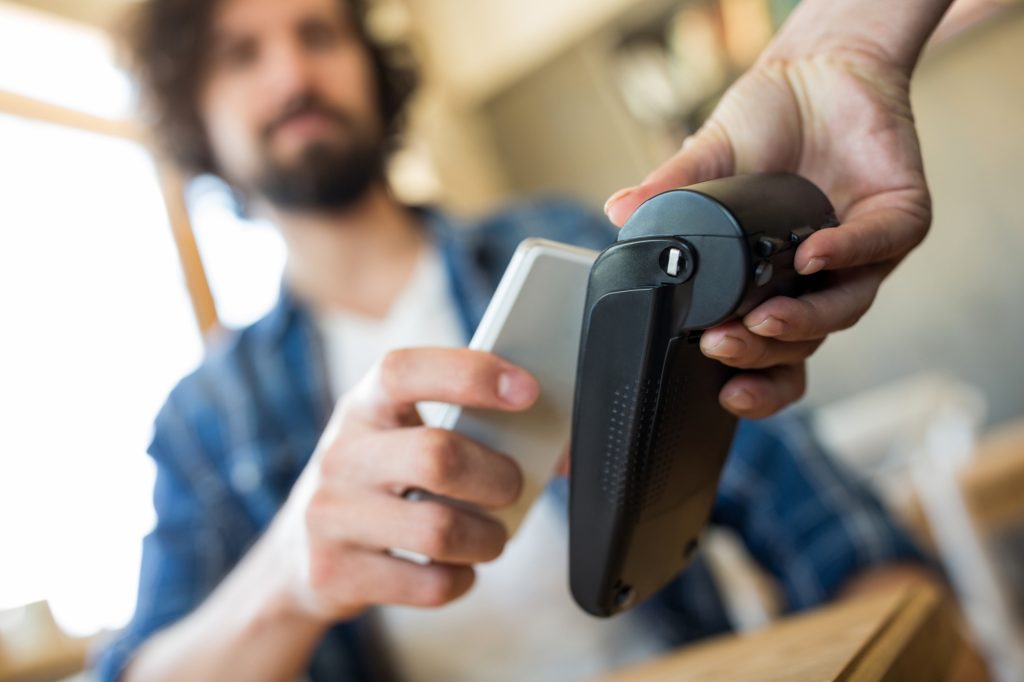
At checkout, it’s what allows patrons to place a stack of books down and have everything read at once. Charlotte County Libraries encourages patrons to use self-checkout, where they simply tap their RFID library card and place their books down. No opening covers, no scanning one by one.
Behind the desk, staff still interact with every item for quality control, but RFID removes the need to scan each barcode manually, making the process smoother and faster.
And while not every library uses every feature, RFID can also support things like smart return systems, automated check-in, and shelf scanning. It’s not just one tool, it’s part of the entire workflow.
So… Why Does This Actually Matter?
This is where RFID becomes more than just a convenience. It becomes a strategy.
When libraries implement RFID, they’re not just speeding up one task, they’re improving how the entire system works. And that impact shows up in a few key ways.
First, there’s patron self-service, which is where RFID is most visible. At Charlotte County Libraries, for example, patrons can walk in, grab their holds, place their card on the reader, stack their books, and check out in seconds. There’s no opening each book, no lining up barcodes, just a simple interaction that works the way you expect it to. It creates a smoother, more independent experience for patrons while also reducing wait times and lines.
Behind that experience is inventory tracking, which plays a huge role in how libraries manage their collections. With RFID, staff can scan shelves quickly using handheld devices, identify misplaced items, and maintain more accurate records. What used to take hours of manual scanning can now be done much faster, making it easier to keep everything in the right place and available when patrons need it.
There’s also security, which RFID can support as part of the same system. RFID tags can act as a built-in security feature, allowing libraries to track materials without relying on separate tools or processes. Depending on how a library is set up, this can simplify operations while still maintaining control over materials.
But the real impact goes beyond these individual use cases.
Because more patrons are using self-checkout, fewer staff need to be tied to the circulation desk. That shift creates more flexibility, allowing staff to spend less time on repetitive tasks and more time helping patrons, answering questions, and supporting programs throughout the library.
Are Patrons Noticing?
They are. Even if they don’t always know why or how.
At Charlotte County Libraries, one of the biggest changes they’ve seen is patron independence. People can come in, check out their materials, and leave without needing assistance… unless they want it.
And that choice matters.
Some patrons want a quick visit. Others want to talk, ask questions, or get recommendations. RFID allows both experiences to exist at the same time. Self-checkout also removes common frustrations. No more scanning the wrong barcode. No more adjusting the book to get it to read. No more holding up a line.
And there’s something else.
Staff at Charlotte County Libraries, including Tracy Herman and Michele Duddie, shared that both children and older patrons genuinely enjoy using it. Kids love the simplicity of placing books down and watching them magically register. And for older patrons, it creates something even more meaningful: a sense of independence with technology. It’s something they can confidently use on their own, without confusion.
It’s not just faster. It feels better.
What This Unlocks for Libraries
RFID isn’t changing what libraries are. It’s changing how they operate behind the scenes.
It’s helping libraries move faster, reduce repetitive work, and create a better experience without taking away what makes them special.
At Charlotte County Libraries, that shift has already made a difference. With fewer staff needed at the circulation desk, they’ve been able to focus more on outreach programs, technology assistance, and supporting their community in new ways.
Because at the end of the day, RFID isn’t just about efficiency.
It’s about giving libraries more time.
More time to help.
More time to connect.
More time to be what they’ve always been…just a little bit better.