
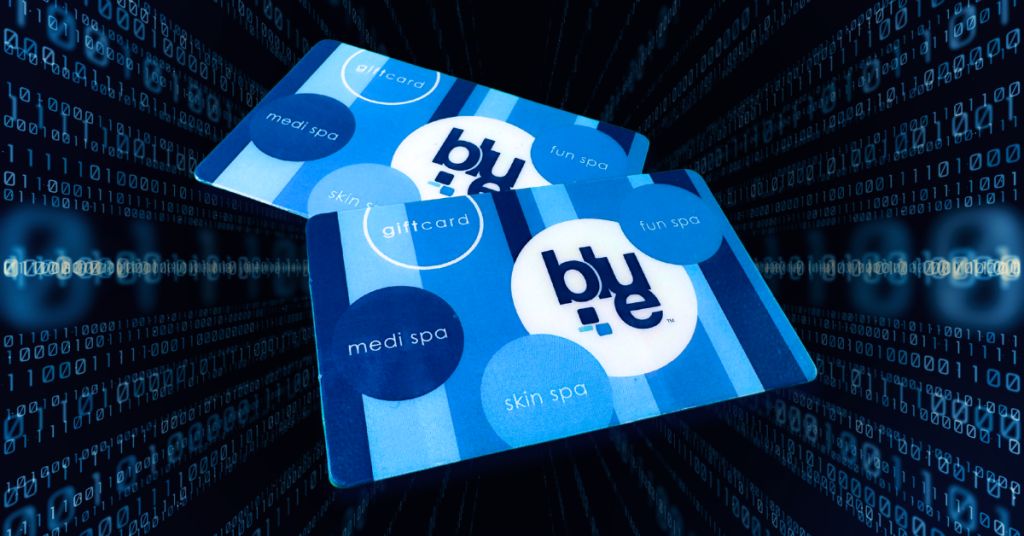
We live in a world of instant downloads, same-day delivery, and one-click purchases. Buying a product or service is easier than ever, requiring little thought and fewer moments to second guess yourself.
This has led to the rise of digital gift cards. Digital gift cards have become a go-to item for last-minute shoppers, especially around holidays and birthdays.
Despite the speed of digital solutions, physical gift cards continue to dominate. More than 50% of consumers say they prefer physical gift cards over digital ones. So, what’s behind this preference in an increasingly digital world?
Physical Gift Cards Feel More Thoughtful
It’s no question that digital gift cards are convenient. They’re easy to purchase, send, and redeem. However, that convenience makes them feel rushed and impersonal.
Gift card givers prefer physical gift cards because they feel more intentional. There is something meaningful and special about handing someone a strategically picked and beautifully packaged card rather than forwarding an email.
That feeling is mutual for recipients. The feeling of opening a card on your birthday or on a holiday and finding a gift card to your favorite restaurant with a sweet note is unmatched.
In-Store Experience Matters
A major difference between physical and digital cards lies in the experience that comes with it.
When someone receives a digital gift card, they are more likely to redeem it online. While convenient, online shopping lacks the immersive and exploratory experience of walking into a store, browsing products, and discovering something unexpected. Additionally, digital gift cards can encourage impulsive purchases due to the ease of online shopping and seamless checkout experiences.
Physical gift cards naturally encourage these in-store visits. Being physically present at a store creates a richer experience for the recipient. They get to look around, try things on, ask questions, and enjoy the outing. It turns the gift card into an event rather than just a transaction. Also, physical cards tend to slow the process down, as they require a store visit and more intentional browsing, which can create a more thoughtful purchasing experience.
Security Considerations
Both formats carry risks, but in different ways.
Physical gift cards can be lost, stolen, or damaged. Digital gift cards eliminate physical vulnerability, but introduce exposure to online scams, phishing attempts, and fraudulent links.
Neither format is risk-free, but for some consumers, the tangible nature of a physical gift card offers peace of mind compared to digital vulnerabilities.
Marketing Power
Digital gift cards are powerful tools for online marketing campaigns. They integrate seamlessly into email promotions, paid ads, and social media campaigns. They’re redeemed quickly and can drive higher average online order values when combined with ongoing digital promotions.
However, physical gift cards excel at the point of sale.
When displayed at checkout counters, they become powerful impulse purchases. This especially matters during holidays, seasonal events, and special promotions. In-store signage and packaging can drive last-minute add-on sales in a way digital placements cannot replicate.
Additionally, there are often more in-store offers and discounts tied to physical gift card promotions, further incentivizing customers to purchase them on the spot.
Environmental Concerns
Physical gift cards carry higher production costs due to materials and packaging. Ultimately, this adds to their environmental impact.
However, the digital impact is not zero. Data storage, email servers, online transactions, and device usage all carry environmental costs as well, even if they are less visible.
Sustainability decisions are rarely black and white. For many brands, they balance the approach by offering responsibly sourced physical cards alongside digital options.
Experience Still Matters
Digital gift cards win with their speed and efficiency. They’re redeemed faster, easier to manage, and ideal for online promotions.
However, physical gift cards win because of the experience.
They feel more thoughtful. They encourage meaningful in-store visits. They create opportunities for connection both between giver and recipient and between customer and brand.
In a world obsessed with instant everything, the most memorable gifts aren’t always the fastest. Sometimes, the greatest impact is something you can actually hold in your hand.